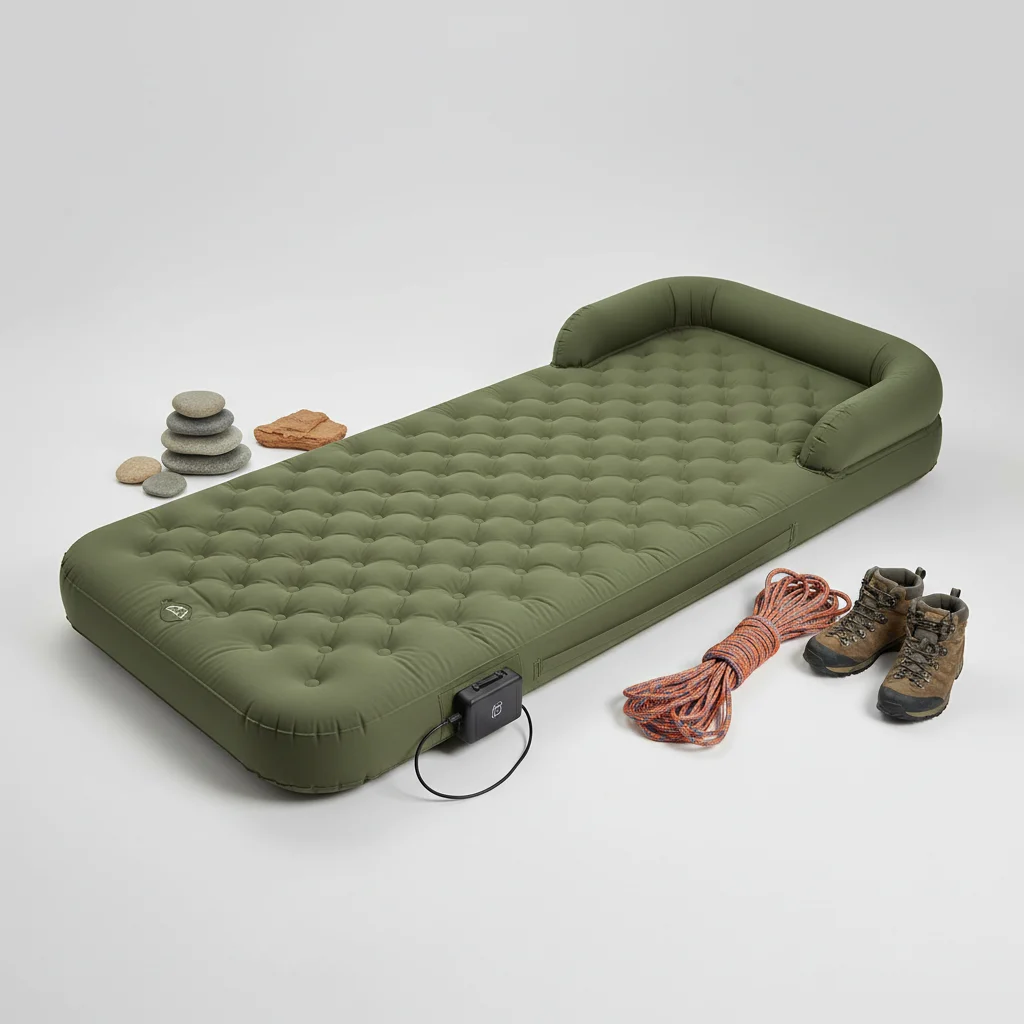
An air mattress for camping can typically last between 50 to 150 nights of use, depending on its material, construction quality, and how well it’s maintained. High-quality PVC or TPU models designed for outdoor use will naturally offer more durability than cheaper, thinner alternatives. Factors like proper inflation, careful handling, and appropriate storage significantly extend its lifespan, ensuring many comfortable nights under the stars.
Understanding Air Mattress Durability for Outdoor Use
The lifespan of an air mattress used for camping is directly tied to its build quality and the materials employed. Mattresses made from thicker PVC or, even better, TPU (thermoplastic polyurethane) are inherently more resistant to punctures and abrasions common in outdoor environments. TPU, in particular, offers superior tear strength and flexibility, making it a preferred choice for serious campers. Additionally, the quality of the seams and valves plays a crucial role; poorly sealed seams are often the first point of failure.
Consider the intended use: a mattress designed for occasional backyard camping will not hold up as well as one engineered for multi-day backpacking trips or rugged car camping. Always check the denier rating of the fabric, if available, as higher numbers indicate greater durability.
Factors Influencing Camping Air Mattress Lifespan
Several key factors dictate how long your camping air mattress will serve you. First, the terrain you set up on is critical; always use a ground cloth or tarp to protect against sharp objects, even on seemingly clear surfaces. Over-inflation is another common culprit for premature wear, stressing seams and material. Inflate only to the recommended firmness, allowing for some give.
Temperature fluctuations can also impact the material, causing expansion and contraction that can weaken the mattress over time. Proper cleaning after each trip, removing dirt and debris, prevents abrasive damage. Finally, storing the mattress correctly—clean, dry, and loosely rolled—prevents material degradation and mold growth.
Maximizing the Life of Your Camping Air Mattress
|
Our Picks for the Best Air Mattress in 2026
As an Amazon Associate I earn from qualifying purchases.
|
||
| Num | Product | Action |
|---|---|---|
| 1 | Queen Air Mattress Full with Built in Pump for Camping 16" High Speed Inflatable Mattress Inflation Completed in 3 Minutes, Luxury Blow up Mattress Comfort Flocked Airbed for Guest,Home |

|
| 2 | iDOO Queen Air Mattress with Built in Pump, 18 Raised Comfort Inflatable Blow up Mattress, Upgraded Four Chamber Portable Air Bed for Camping, Guests and Home, Colchon Inflable, 650 lbs Max |
|
| 3 | Air Mattress Queen with Built in Pump, Inflatable Mattress Blow Up Mattress 16 Raised Comfort,Upgraded Surface Portable Bed, Air Bed for Home, Guest, Camping, Colchone Inflable, 650 lbs |
|
| 4 | Intex 64417ED 22in Queen Dura-Beam Comfort Plush High-Rise Inflatable Air Mattress with Built in Pump for Travel and Camping, 600lb Weight Capacity |
|
| 5 | OhGeni Queen Air Mattress with Built in Pump, Inflatable Mattress Blow Up Mattress 18 Raised Comfort,Upgraded Surface Portable Bed, Air Bed for Home, Guest, Camping, Colchone Inflable, 650 lbs |
|
| 6 | Intex Air Mattress, 64123ED Dura-Beam Plus Pillow Rest Fiber-Tech – Queen Size – Built-in Electric Pump – 16.5in Bed Height – 600lb Weight Capacity |
|
| 7 | Intex Twin Size Air Mattress, 18in Height, Built-in Pump, Dura-Beam Deluxe Comfort-Plush - Portable Inflatable Blow-up Bed for Camping, Travel, Guests |
|
| 8 | Intex Dura-Beam Deluxe Comfort-Plush Elevated: Fiber-Tech – Queen Size – Built-in Electric Pump – 18in Bed Height – 600lb Weight Capacity |
|
| 9 | Queen Air Mattress with Built in Pump Luxurious Comfort Raised Inflatable Mattress Queen Airbed Blow Up Mattress for Home and Guests Air Bed 2 Mins Fast Inflate/Deflate 660 lbs Max |
|
| 10 | JOYTUTUS 5.5-5.8Ft Truck Bed Air Mattress with Removable Tailgate Extension,Thickened Inflatable Full Size Short Truck Beds, with Air Pump&2 Pillows,Black |
|
To get the most out of your camping air mattress, adopt a few best practices. Always clear your campsite of any sharp rocks, sticks, or pinecones before laying down your tent or ground cloth. When inflating, avoid using high-pressure pumps that can overfill the mattress quickly; a steady, controlled inflation is better. After use, ensure the mattress is completely dry before packing it away to prevent mildew and material breakdown.
Regularly inspect your mattress for small punctures or weak spots, addressing them promptly with a repair kit. Even a tiny leak, if left unattended, can worsen over time.Investing in a protective cover can also add an extra layer of defense against wear and tear.
When to Replace Your Camping Air Mattress
Knowing when to replace your camping air mattress can save you from uncomfortable nights. Obvious signs include frequent, unpatchable leaks, significant material thinning, or visible seam separation. If you find yourself constantly reinflating the mattress throughout the night, even after patching, it’s likely nearing the end of its useful life. A general rule of thumb is that if the cost and effort of repairs outweigh the benefit of a reliable night’s sleep, it’s time for an upgrade.
- Persistent, unfixable leaks
- Visible tears or significant material degradation
- Seams separating or stretching
- Inability to hold air for more than a few hours
- Noticeable loss of comfort and support
Top Picks for Durable Camping Air Mattresses
For campers seeking longevity and reliability, certain brands and models consistently stand out. Look for mattresses specifically marketed for
