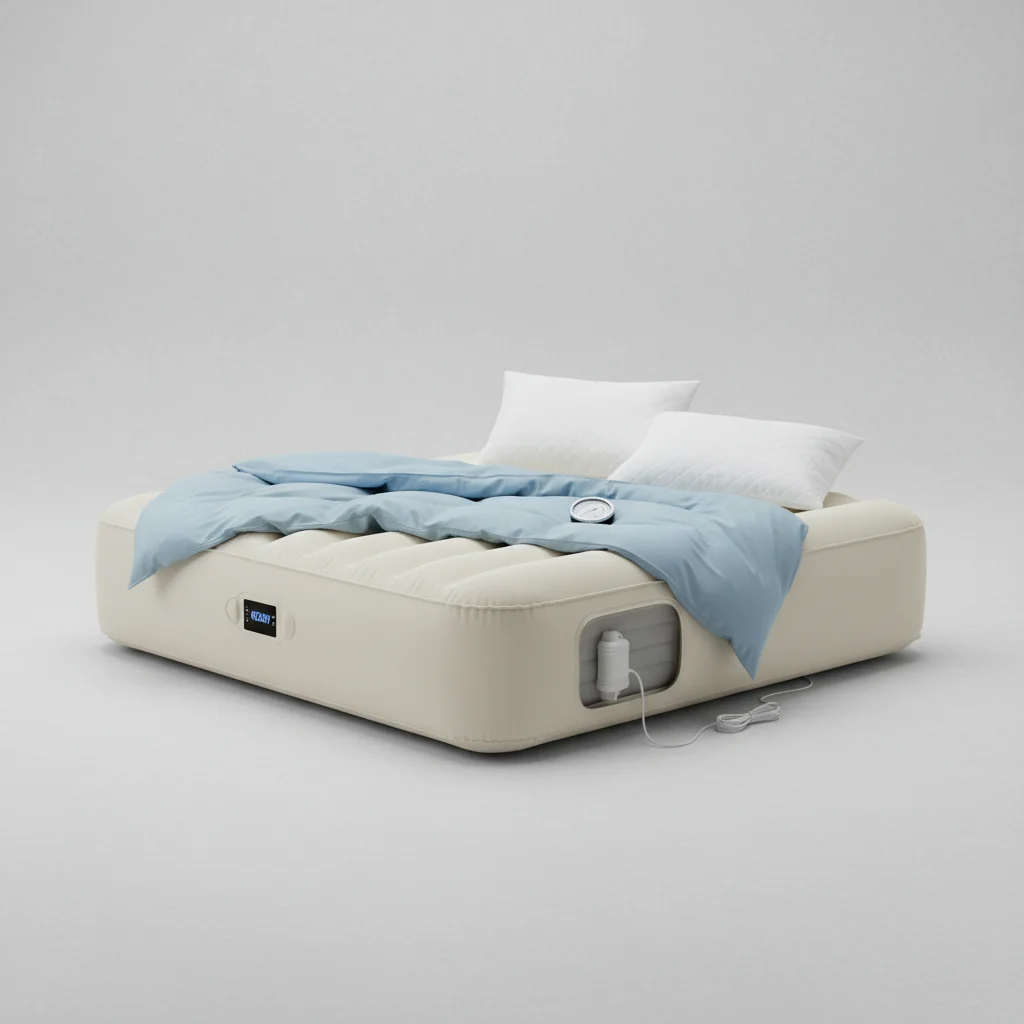
For optimal performance and longevity, an air mattress used for everyday sleeping should be inflated approximately once every 3-5 days. This frequency helps maintain firmness, prevents excessive stretching of the material, and ensures a consistent sleep surface. While modern air mattresses are designed for durability, even the best models will naturally lose a small amount of air over time due to temperature changes, pressure, and the inherent permeability of the material.
Why Regular Inflation is Crucial for Everyday Use
Regular inflation isn’t just about comfort; it’s about preserving the integrity of your air mattress. When an air mattress is consistently underinflated, the internal structure and seams are subjected to uneven stress. This can lead to premature wear, stretching, and even small leaks developing over time. By topping off the air every few days, you distribute the pressure more evenly across the mattress, reducing strain on critical components and extending its overall lifespan.
Consider the material: PVC and TPU, common in air mattresses, are somewhat elastic. Constant deflation and re-inflation to a very low pressure can cause these materials to stretch and become less resilient. Maintaining a consistent, firm inflation level minimizes this stretching, keeping the mattress feeling new for longer.
Factors Influencing Inflation Frequency
Several factors can influence how often you need to inflate your air mattress. The most significant is the quality of the mattress itself. Higher-end models often feature more robust materials and better-sealed seams, leading to slower air loss. The weight of the sleeper(s) also plays a role; heavier individuals will exert more pressure, potentially causing a quicker loss of firmness. Environmental factors like room temperature can also affect air pressure. Colder temperatures cause air to contract, making the mattress feel softer, while warmer temperatures cause air to expand.
Another factor is the presence of a built-in pump. Mattresses with integrated pumps make daily or bi-daily top-ups incredibly convenient, encouraging more frequent and consistent inflation. Without a built-in pump, the effort involved might lead to less frequent inflation, potentially shortening the mattress’s life.
Tips for Maintaining Optimal Air Mattress Firmness
|
Our Picks for the Best Air Mattress in 2026
As an Amazon Associate I earn from qualifying purchases.
|
||
| Num | Product | Action |
|---|---|---|
| 1 | Intex Air Mattress, 64123ED Dura-Beam Plus Pillow Rest Fiber-Tech – Queen Size – Built-in Electric Pump – 16.5in Bed Height – 600lb Weight Capacity |

|
| 2 | JOYTUTUS 5.5-5.8Ft Truck Bed Air Mattress with Removable Tailgate Extension,Thickened Inflatable Full Size Short Truck Beds, with Air Pump&2 Pillows,Black |
|
| 3 | Queen Air Mattress with Built in Pump Luxurious Comfort Raised Inflatable Mattress Queen Airbed Blow Up Mattress for Home and Guests Air Bed 2 Mins Fast Inflate/Deflate 660 lbs Max |
|
| 4 | Intex Twin Size Air Mattress, 18in Height, Built-in Pump, Dura-Beam Deluxe Comfort-Plush - Portable Inflatable Blow-up Bed for Camping, Travel, Guests |
|
| 5 | Queen Air Mattress Full with Built in Pump for Camping 16" High Speed Inflatable Mattress Inflation Completed in 3 Minutes, Luxury Blow up Mattress Comfort Flocked Airbed for Guest,Home |
|
| 6 | Air Mattress Queen with Built in Pump, Inflatable Mattress Blow Up Mattress 16 Raised Comfort,Upgraded Surface Portable Bed, Air Bed for Home, Guest, Camping, Colchone Inflable, 650 lbs |
|
| 7 | Intex 64417ED 22in Queen Dura-Beam Comfort Plush High-Rise Inflatable Air Mattress with Built in Pump for Travel and Camping, 600lb Weight Capacity |
|
| 8 | Intex Dura-Beam Deluxe Comfort-Plush Elevated: Fiber-Tech – Queen Size – Built-in Electric Pump – 18in Bed Height – 600lb Weight Capacity |
|
| 9 | OhGeni Queen Air Mattress with Built in Pump, Inflatable Mattress Blow Up Mattress 18 Raised Comfort,Upgraded Surface Portable Bed, Air Bed for Home, Guest, Camping, Colchone Inflable, 650 lbs |
|
| 10 | iDOO Queen Air Mattress with Built in Pump, 18 Raised Comfort Inflatable Blow up Mattress, Upgraded Four Chamber Portable Air Bed for Camping, Guests and Home, Colchon Inflable, 650 lbs Max |
|
- Check Firmness Daily: A quick press on the mattress surface each morning can tell you if it needs a top-up.
- Avoid Over-Inflation: While regular inflation is good, over-inflating can stress seams and material. Inflate until firm, but not rock-hard.
- Monitor Temperature: If your room temperature fluctuates significantly, you might need to adjust inflation more often.
- Use a Mattress Topper: A good mattress topper can add comfort and also help distribute weight, potentially reducing the perceived need for frequent inflation.
- Inspect for Leaks: If you find yourself inflating daily or more, it might indicate a small leak that needs patching.
The Role of Material and Construction
The type of material and construction significantly impacts how well an air mattress holds air. PVC (polyvinyl chloride) is common but can be more prone to stretching and microscopic air loss over time. TPU (thermoplastic polyurethane) is generally more durable, lighter, and less prone to stretching, often resulting in better air retention. The internal construction, whether it’s coil beam, air beam, or I-beam, also affects stability and how evenly pressure is distributed, which in turn influences how quickly the mattress feels soft.
High-quality valves are also critical. A poorly sealed valve can be a major source of air loss, regardless of the mattress material. Always ensure the valve is securely closed after inflation.
When to Consider a Replacement
Even with diligent care and regular inflation, an air mattress used daily will eventually show signs of wear. If you find yourself needing to inflate the mattress every day, or even multiple times a day, despite patching any visible leaks, it might be time to consider a replacement. Persistent sagging, noticeable stretching of the material, or a general inability to hold firmness for more than a few hours are strong indicators that the mattress has reached the end of its useful life for everyday sleeping. Investing in a new, high-quality air mattress can restore comfort and save you the hassle of constant re-inflation.
