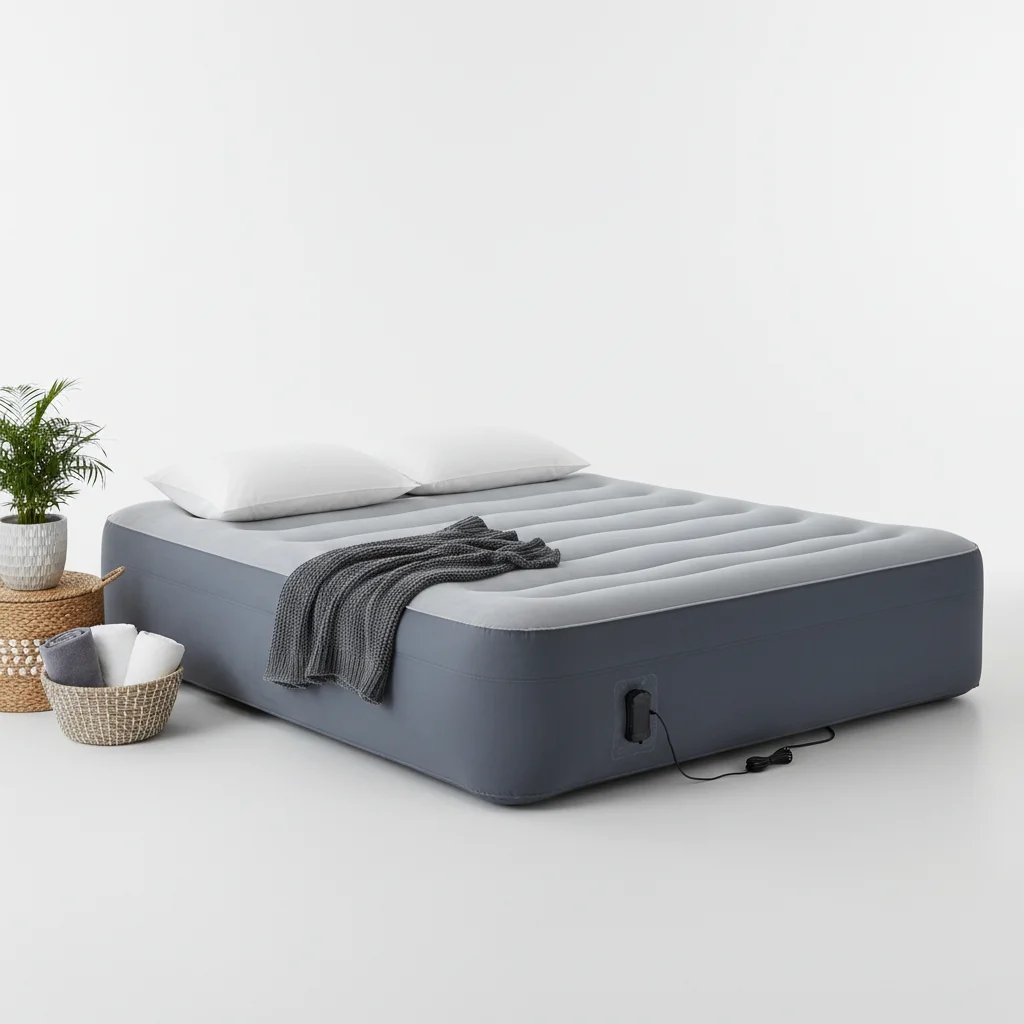
Using an air mattress for everyday use can be a viable option for approximately 6-12 months, depending on the quality of the mattress and how well it’s maintained. While convenient and often more affordable than traditional beds, air mattresses are not designed for long-term, continuous use and typically show signs of wear and tear much faster. Understanding the pros and cons, along with proper care, is crucial for anyone considering this sleeping arrangement.
The Durability Factor: How Long Can They Last?
The lifespan of an air mattress used daily varies significantly. High-quality models, often made with thicker PVC or TPU and reinforced seams, might last closer to a year. Budget-friendly options, however, could start developing leaks or losing their shape within a few months. Factors like weight distribution, frequency of inflation/deflation, and the surface it rests on all play a role in its longevity. Regular inspection for small punctures and prompt repairs can extend its life.
Comfort and Support for Daily Sleep
While modern air mattresses offer adjustable firmness, they generally don’t provide the same consistent support as a traditional spring or foam mattress. For daily use, this can lead to discomfort, back pain, or disrupted sleep over time. The air inside can shift, creating uneven pressure points. Some advanced models feature internal coil-beam construction or multi-chamber designs that aim to mimic the feel of a conventional bed, offering better support for prolonged use. It’s important to consider your personal sleep needs and any existing back conditions.
Maintenance and Care for Longevity
|
Our Picks for the Best Air Mattress in 2026
As an Amazon Associate I earn from qualifying purchases.
|
||
| Num | Product | Action |
|---|---|---|
| 1 | OhGeni Queen Air Mattress with Built in Pump, Inflatable Mattress Blow Up Mattress 18 Raised Comfort,Upgraded Surface Portable Bed, Air Bed for Home, Guest, Camping, Colchone Inflable, 650 lbs |

|
| 2 | iDOO Queen Air Mattress with Built in Pump, 18 Raised Comfort Inflatable Blow up Mattress, Upgraded Four Chamber Portable Air Bed for Camping, Guests and Home, Colchon Inflable, 650 lbs Max |
|
| 3 | Queen Air Mattress with Built in Pump Luxurious Comfort Raised Inflatable Mattress Queen Airbed Blow Up Mattress for Home and Guests Air Bed 2 Mins Fast Inflate/Deflate 660 lbs Max |
|
| 4 | Queen Air Mattress Full with Built in Pump for Camping 16" High Speed Inflatable Mattress Inflation Completed in 3 Minutes, Luxury Blow up Mattress Comfort Flocked Airbed for Guest,Home |
|
| 5 | Intex 64417ED 22in Queen Dura-Beam Comfort Plush High-Rise Inflatable Air Mattress with Built in Pump for Travel and Camping, 600lb Weight Capacity |
|
| 6 | Intex Twin Size Air Mattress, 18in Height, Built-in Pump, Dura-Beam Deluxe Comfort-Plush - Portable Inflatable Blow-up Bed for Camping, Travel, Guests |
|
| 7 | Intex Dura-Beam Deluxe Comfort-Plush Elevated: Fiber-Tech – Queen Size – Built-in Electric Pump – 18in Bed Height – 600lb Weight Capacity |
|
| 8 | Intex Air Mattress, 64123ED Dura-Beam Plus Pillow Rest Fiber-Tech – Queen Size – Built-in Electric Pump – 16.5in Bed Height – 600lb Weight Capacity |
|
| 9 | JOYTUTUS 5.5-5.8Ft Truck Bed Air Mattress with Removable Tailgate Extension,Thickened Inflatable Full Size Short Truck Beds, with Air Pump&2 Pillows,Black |
|
| 10 | Air Mattress Queen with Built in Pump, Inflatable Mattress Blow Up Mattress 16 Raised Comfort,Upgraded Surface Portable Bed, Air Bed for Home, Guest, Camping, Colchone Inflable, 650 lbs |
|
To maximize the life of an air mattress used daily, consistent maintenance is key. This includes:
- Avoiding over-inflation, which can stress seams.
- Placing it on a smooth, clean surface to prevent punctures.
- Cleaning it regularly with mild soap and water.
- Storing it properly when not in use, if applicable.
- Promptly patching any small leaks to prevent them from worsening.
Regularly checking the valve for a tight seal is also important, as a loose valve can lead to slow air loss.
Potential Downsides of Daily Air Mattress Use
Beyond durability and comfort, there are other considerations. Air mattresses can be noisy, especially when someone moves, due to the friction of the material. They can also be prone to temperature fluctuations, feeling colder in winter and warmer in summer, as air is not a great insulator. The need for frequent re-inflation, even with minor leaks, can become a nuisance. Furthermore, the environmental impact of disposing of air mattresses, often made from non-recyclable PVC, is a growing concern.
When an Air Mattress Makes Sense for Everyday Use
Despite the drawbacks, an air mattress can be a practical solution in specific scenarios. It’s an excellent temporary bedding option for college students in dorms, individuals in transitional housing, or those frequently moving. It can also serve as a cost-effective solution for a guest room that sees occasional use but needs to be ready for daily use for extended visits. For those on a tight budget, a high-quality air mattress can bridge the gap until a more permanent sleeping solution is feasible.Many users find that adding a thick mattress topper significantly improves comfort and insulation for daily use.
Alternatives to Consider for Long-Term Comfort
If you’re looking for a more permanent solution than an air mattress for everyday use, but still need flexibility or affordability, consider alternatives. Futons, sofa beds, and foam mattresses are often more durable and provide better long-term support. For camping or very temporary situations, a sleeping pad might be more appropriate. Investing in a good quality cot with a comfortable mattress can also be a robust option for extended periods. Ultimately, the best choice depends on your specific needs, budget, and how long you anticipate needing the bedding solution.
