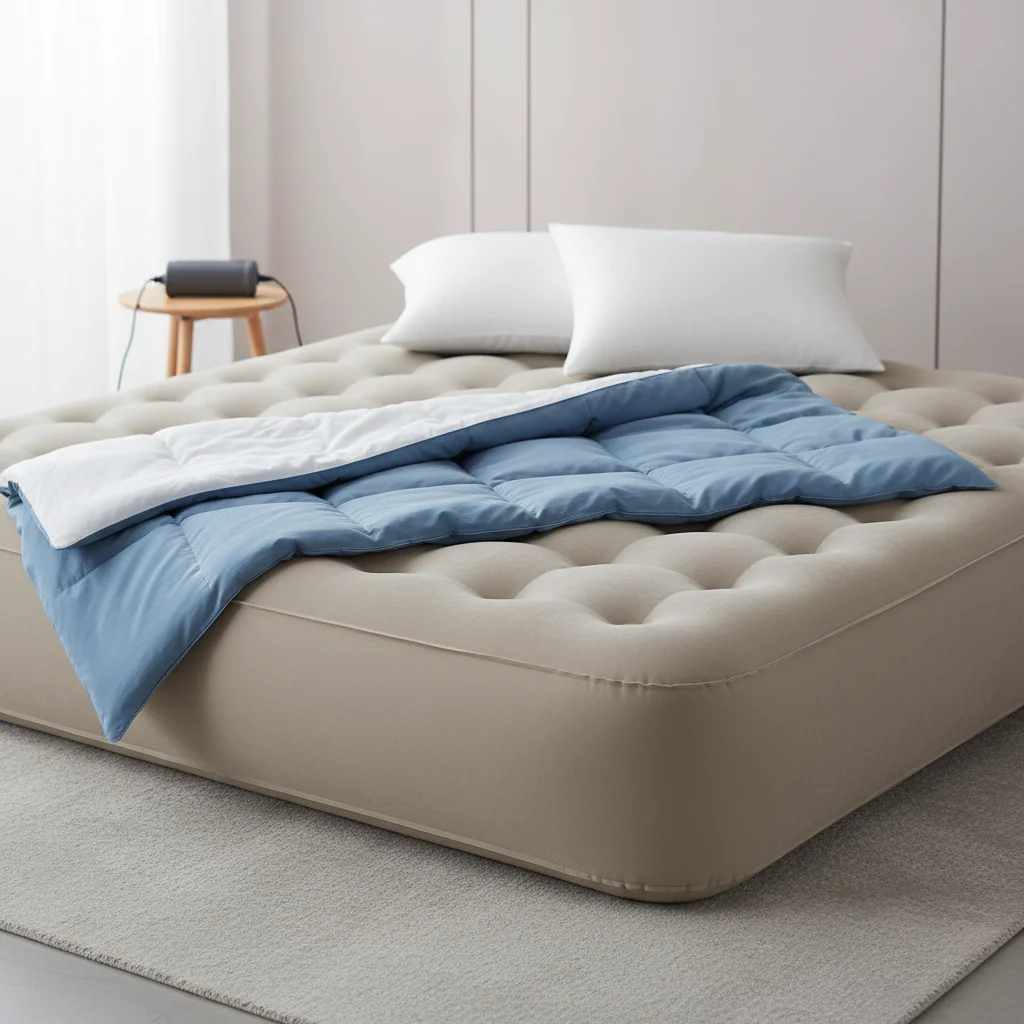
An air mattress for guests typically lasts between 2 to 5 years with moderate use, which translates to approximately 50 to 150 nights of sleep. The exact lifespan depends heavily on the quality of the mattress, frequency of use, and how well it’s maintained. High-quality models from reputable brands tend to offer greater durability and a longer service life compared to cheaper, entry-level options.
Factors Influencing Air Mattress Lifespan
Several key factors determine how long an air mattress will comfortably serve your guests. Material quality is paramount; PVC mattresses are common but can be prone to stretching and punctures over time, while those made with TPU (thermoplastic polyurethane) often offer superior durability and resistance to leaks. The thickness of the material also plays a role, with thicker gauges generally providing more resilience.
Frequency of use is another significant factor. An air mattress used once a month will naturally last much longer than one inflated every weekend. Each inflation and deflation cycle puts stress on the seams and internal structure, contributing to wear and tear. Additionally, the weight placed on the mattress and how gently guests treat it during their stay can impact its longevity.
Signs It’s Time to Replace Your Guest Air Mattress
Knowing when to replace your guest air mattress can save you from uncomfortable situations. The most obvious sign is a persistent leak that cannot be patched, or one that reappears shortly after a repair. If you find yourself needing to reinflate the mattress every few hours, it’s likely past its prime. Visible wear and tear, such as stretched seams, thinning material, or internal coil ruptures (which cause uneven lumps), also indicate a need for replacement.
Another less obvious sign is a noticeable decrease in comfort. Even if it holds air, an older mattress might not provide the same support it once did, leading to restless nights for your guests. A good rule of thumb is to inspect the mattress thoroughly before each use and consider its age and usage history.
Tips for Extending the Life of Your Guest Air Mattress
|
Our Picks for the Best Air Mattress in 2026
As an Amazon Associate I earn from qualifying purchases.
|
||
| Num | Product | Action |
|---|---|---|
| 1 | Intex Air Mattress, 64123ED Dura-Beam Plus Pillow Rest Fiber-Tech – Queen Size – Built-in Electric Pump – 16.5in Bed Height – 600lb Weight Capacity |

|
| 2 | JOYTUTUS 5.5-5.8Ft Truck Bed Air Mattress with Removable Tailgate Extension,Thickened Inflatable Full Size Short Truck Beds, with Air Pump&2 Pillows,Black |
|
| 3 | Intex Dura-Beam Deluxe Comfort-Plush Elevated: Fiber-Tech – Queen Size – Built-in Electric Pump – 18in Bed Height – 600lb Weight Capacity |
|
| 4 | Queen Air Mattress Full with Built in Pump for Camping 16" High Speed Inflatable Mattress Inflation Completed in 3 Minutes, Luxury Blow up Mattress Comfort Flocked Airbed for Guest,Home |
|
| 5 | Intex Twin Size Air Mattress, 18in Height, Built-in Pump, Dura-Beam Deluxe Comfort-Plush - Portable Inflatable Blow-up Bed for Camping, Travel, Guests |
|
| 6 | iDOO Queen Air Mattress with Built in Pump, 18 Raised Comfort Inflatable Blow up Mattress, Upgraded Four Chamber Portable Air Bed for Camping, Guests and Home, Colchon Inflable, 650 lbs Max |
|
| 7 | OhGeni Queen Air Mattress with Built in Pump, Inflatable Mattress Blow Up Mattress 18 Raised Comfort,Upgraded Surface Portable Bed, Air Bed for Home, Guest, Camping, Colchone Inflable, 650 lbs |
|
| 8 | Air Mattress Queen with Built in Pump, Inflatable Mattress Blow Up Mattress 16 Raised Comfort,Upgraded Surface Portable Bed, Air Bed for Home, Guest, Camping, Colchone Inflable, 650 lbs |
|
| 9 | Intex 64417ED 22in Queen Dura-Beam Comfort Plush High-Rise Inflatable Air Mattress with Built in Pump for Travel and Camping, 600lb Weight Capacity |
|
| 10 | Queen Air Mattress with Built in Pump Luxurious Comfort Raised Inflatable Mattress Queen Airbed Blow Up Mattress for Home and Guests Air Bed 2 Mins Fast Inflate/Deflate 660 lbs Max |
|
Proper care and maintenance can significantly extend the life of your air mattress. Always store it in a cool, dry place away from direct sunlight and extreme temperatures, which can degrade the material. Ensure the mattress is completely clean and dry before folding and storing to prevent mold or mildew growth. When deflating, do so gently and avoid over-folding or creasing the material excessively.
- Always use a fitted sheet to protect the surface from dirt and minor abrasions.
- Avoid over-inflating the mattress; follow manufacturer guidelines for optimal firmness.
- Place the mattress on a smooth, clean surface, free of sharp objects or debris.
- Periodically clean the mattress with mild soap and water, then allow it to air dry completely.
- Store the mattress loosely rolled or folded in its original bag to prevent stress on seams.
Choosing a Durable Air Mattress for Guests
When purchasing a new air mattress for guests, prioritize durability and comfort. Look for models with reinforced seams, puncture-resistant materials, and a flocked top for added comfort and to help keep sheets in place. Built-in pumps are a convenient feature, but ensure the pump mechanism is robust. Consider the intended use; if you host guests frequently, investing in a higher-end model will likely pay off in the long run.
Many brands offer specific lines designed for guest use, often featuring enhanced stability and comfort features. Reading reviews from other hosts can provide valuable insights into real-world durability.This model is known for its robust construction and excellent guest feedback. For those seeking an even more luxurious experience,offers superior comfort and an extended warranty, ensuring your guests enjoy a truly restful night’s sleep for years to come.
The Importance of Proper Inflation and Deflation
Correct inflation and deflation procedures are crucial for maintaining the integrity of your air mattress. Over-inflating can put undue stress on the seams and internal structure, leading to ruptures or leaks. Always inflate to the recommended firmness, which usually means it feels firm but still has a slight give. Under-inflating, while less damaging, can lead to discomfort and a feeling of sinking, which isn’t ideal for guests.
When deflating, allow the air to escape naturally or use the pump’s deflate function if available. Avoid jumping or putting excessive weight on the mattress to force air out, as this can damage internal components. Once deflated, gently roll or fold the mattress, ensuring no air is trapped inside, which could cause stretching or damage during storage.
