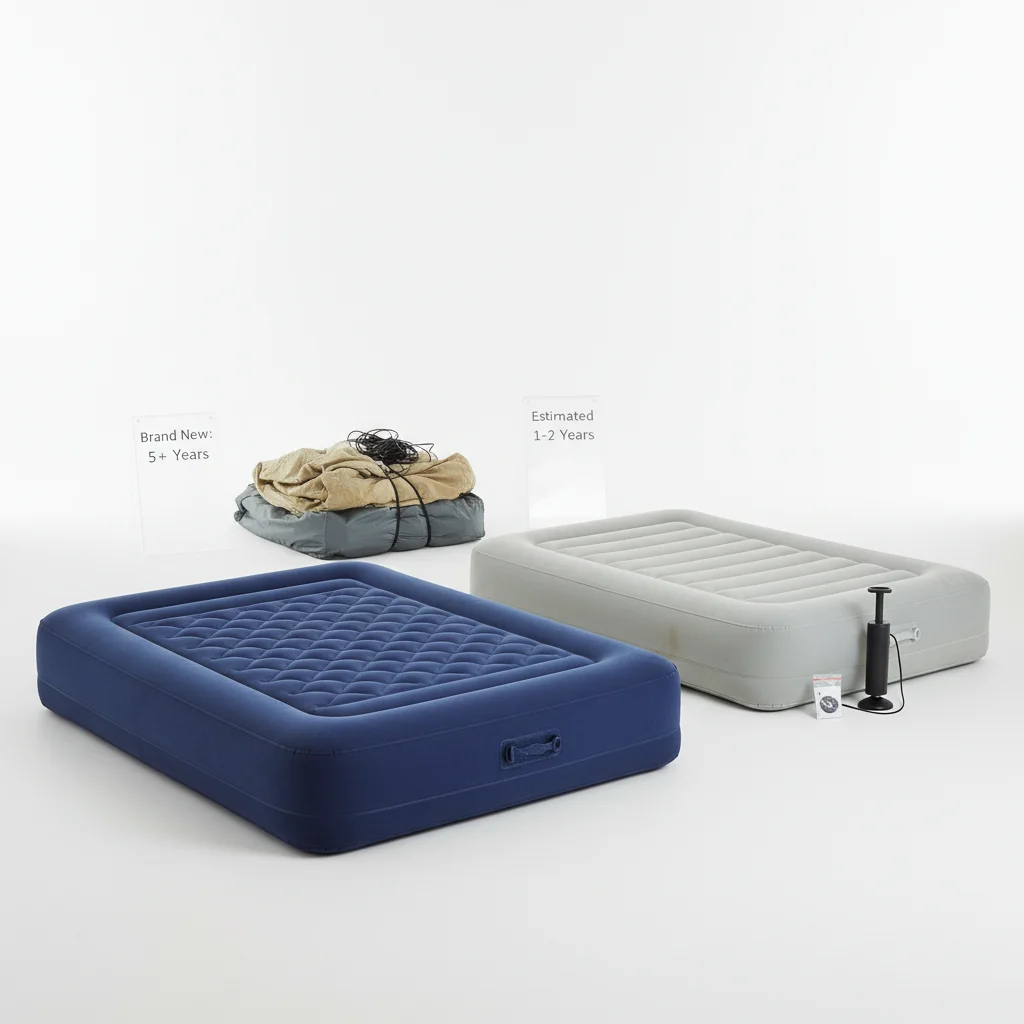
The typical air mattress lifespan ranges from 2 to 7 years, depending on factors like material quality, frequency of use, and how well it’s maintained. High-quality PVC or TPU mattresses used occasionally for guests might last closer to the 7-year mark, while cheaper models or those used nightly could wear out in just a couple of years. Understanding these variables can help you maximize your investment and ensure comfortable sleep for longer.
Factors Influencing Air Mattress Durability
Several key elements dictate how long an air mattress will last. The material is paramount; TPU (thermoplastic polyurethane) is generally more durable and puncture-resistant than traditional PVC (polyvinyl chloride). The thickness of the material also plays a role, with thicker gauges offering more resilience against wear and tear. Furthermore, the construction method, such as internal coil beam support versus simple air chambers, can affect structural integrity over time.
Impact of Usage Frequency and Environment
An air mattress used every night as a primary bed will naturally degrade faster than one stored away and only inflated a few times a year for visitors. Constant inflation and deflation cycles stress the seams and pump mechanism. The environment where it’s used also matters. Camping mattresses exposed to rough terrain, extreme temperatures, or moisture will likely have a shorter lifespan than those used exclusively indoors on a clean, flat surface. Protecting your mattress from sharp objects and pets is crucial for longevity.
Proper Maintenance for Extended Life
|
Our Picks for the Best Air Mattress in 2026
As an Amazon Associate I earn from qualifying purchases.
|
||
| Num | Product | Action |
|---|---|---|
| 1 | Queen Air Mattress Full with Built in Pump for Camping 16" High Speed Inflatable Mattress Inflation Completed in 3 Minutes, Luxury Blow up Mattress Comfort Flocked Airbed for Guest,Home |

|
| 2 | OhGeni Queen Air Mattress with Built in Pump, Inflatable Mattress Blow Up Mattress 18 Raised Comfort,Upgraded Surface Portable Bed, Air Bed for Home, Guest, Camping, Colchone Inflable, 650 lbs |
|
| 3 | Intex Air Mattress, 64123ED Dura-Beam Plus Pillow Rest Fiber-Tech – Queen Size – Built-in Electric Pump – 16.5in Bed Height – 600lb Weight Capacity |
|
| 4 | Intex 64417ED 22in Queen Dura-Beam Comfort Plush High-Rise Inflatable Air Mattress with Built in Pump for Travel and Camping, 600lb Weight Capacity |
|
| 5 | Queen Air Mattress with Built in Pump Luxurious Comfort Raised Inflatable Mattress Queen Airbed Blow Up Mattress for Home and Guests Air Bed 2 Mins Fast Inflate/Deflate 660 lbs Max |
|
| 6 | iDOO Queen Air Mattress with Built in Pump, 18 Raised Comfort Inflatable Blow up Mattress, Upgraded Four Chamber Portable Air Bed for Camping, Guests and Home, Colchon Inflable, 650 lbs Max |
|
| 7 | JOYTUTUS 5.5-5.8Ft Truck Bed Air Mattress with Removable Tailgate Extension,Thickened Inflatable Full Size Short Truck Beds, with Air Pump&2 Pillows,Black |
|
| 8 | Intex Dura-Beam Deluxe Comfort-Plush Elevated: Fiber-Tech – Queen Size – Built-in Electric Pump – 18in Bed Height – 600lb Weight Capacity |
|
| 9 | Air Mattress Queen with Built in Pump, Inflatable Mattress Blow Up Mattress 16 Raised Comfort,Upgraded Surface Portable Bed, Air Bed for Home, Guest, Camping, Colchone Inflable, 650 lbs |
|
| 10 | Intex Twin Size Air Mattress, 18in Height, Built-in Pump, Dura-Beam Deluxe Comfort-Plush - Portable Inflatable Blow-up Bed for Camping, Travel, Guests |
|
Regular and correct maintenance is vital for extending your air mattress’s life. Always store it clean and completely dry to prevent mold and mildew. Deflate it fully but gently, and fold it loosely rather than tightly creasing the material, which can weaken seams. Avoid over-inflating, as this puts undue stress on the material and internal structure. Periodically check for small leaks and repair them promptly with a quality patch kit to prevent them from worsening.
- Clean the mattress surface with mild soap and water after each use.
- Ensure the mattress is completely dry before folding and storing.
- Store in a cool, dry place away from direct sunlight and extreme temperatures.
- Avoid dragging the mattress; lift and carry it to prevent punctures.
- Use a fitted sheet to protect the surface from dirt and oils.
When to Consider a Replacement
Even with the best care, an air mattress will eventually need replacing. Signs it’s time for a new one include persistent slow leaks that are difficult to locate or patch, noticeable sagging or loss of firmness even after inflation, and visible wear and tear like thinning material or fraying seams. If the internal pump starts to fail or makes unusual noises, it might also be nearing the end of its functional life. Investing in a new mattress ensures continued comfort and avoids the frustration of nightly re-inflation.
For those seeking a durable option, consider models with reinforced seams and a robust internal structure. Many manufacturers now offer extended warranties on higher-end air mattresses, which can be a good indicator of their expected lifespan.When choosing a replacement, prioritize materials like TPU for superior longevity, especially if you anticipate frequent use or outdoor adventures.
