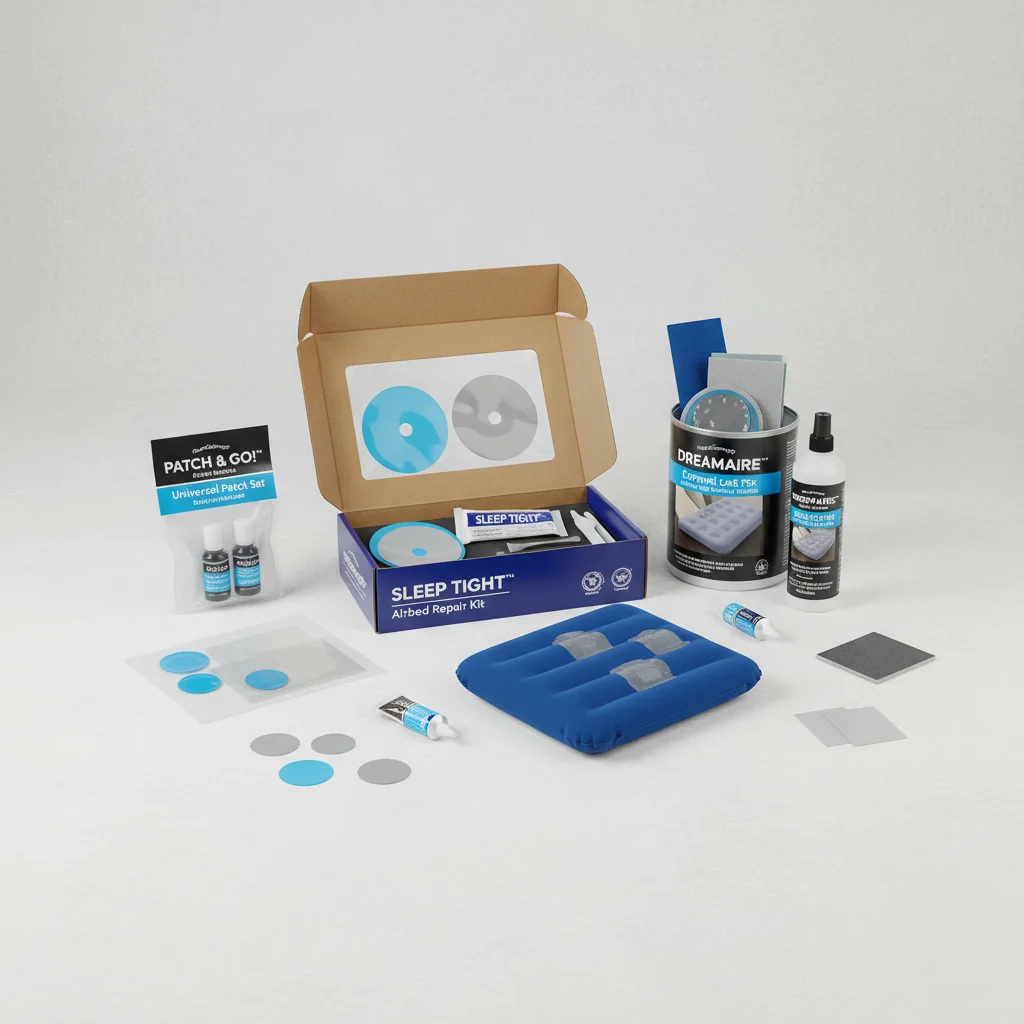
When an air mattress springs a leak, a reliable patch kit is your best friend. The effectiveness of these kits varies significantly, with the best options providing a durable, long-lasting seal that can withstand pressure and movement. Generally, kits featuring strong adhesive patches made from PVC or TPU, coupled with a quick-drying, flexible glue, offer the most superior performance. You’ll find that kits designed for specific mattress materials often yield the most successful repairs, preventing further deflation and extending the life of your air mattress.
Understanding Different Patch Kit Materials
Air mattress patch kits typically come with patches made from either PVC (polyvinyl chloride) or TPU (thermoplastic polyurethane). PVC patches are common and effective for most standard air mattresses, offering good adhesion and flexibility. However, TPU patches are often considered superior due to their enhanced elasticity, puncture resistance, and environmental friendliness. They tend to create a more seamless and durable repair, especially on higher-quality air mattresses. The choice of material should ideally match the material of your air mattress for optimal bonding.
Adhesive Types and Their Performance
The adhesive is arguably the most critical component of any patch kit. Common adhesives include solvent-based glues, contact cements, and self-adhesive patches. Solvent-based glues work by slightly melting the patch and mattress material together, creating a strong chemical bond. Contact cements provide a robust, flexible bond once cured. Self-adhesive patches offer convenience and speed, but their long-term durability can sometimes be less than that of glue-based systems. For a truly reliable repair, a strong, waterproof, and flexible adhesive is paramount.
Step-by-Step Guide to a Successful Repair
|
Our Picks for the Best Air Mattress in 2026
As an Amazon Associate I earn from qualifying purchases.
|
||
| Num | Product | Action |
|---|---|---|
| 1 | JOYTUTUS 5.5-5.8Ft Truck Bed Air Mattress with Removable Tailgate Extension,Thickened Inflatable Full Size Short Truck Beds, with Air Pump&2 Pillows,Black |

|
| 2 | Queen Air Mattress Full with Built in Pump for Camping 16" High Speed Inflatable Mattress Inflation Completed in 3 Minutes, Luxury Blow up Mattress Comfort Flocked Airbed for Guest,Home |
|
| 3 | Intex Twin Size Air Mattress, 18in Height, Built-in Pump, Dura-Beam Deluxe Comfort-Plush - Portable Inflatable Blow-up Bed for Camping, Travel, Guests |
|
| 4 | Air Mattress Queen with Built in Pump, Inflatable Mattress Blow Up Mattress 16 Raised Comfort,Upgraded Surface Portable Bed, Air Bed for Home, Guest, Camping, Colchone Inflable, 650 lbs |
|
| 5 | OhGeni Queen Air Mattress with Built in Pump, Inflatable Mattress Blow Up Mattress 18 Raised Comfort,Upgraded Surface Portable Bed, Air Bed for Home, Guest, Camping, Colchone Inflable, 650 lbs |
|
| 6 | Intex 64417ED 22in Queen Dura-Beam Comfort Plush High-Rise Inflatable Air Mattress with Built in Pump for Travel and Camping, 600lb Weight Capacity |
|
| 7 | Intex Dura-Beam Deluxe Comfort-Plush Elevated: Fiber-Tech – Queen Size – Built-in Electric Pump – 18in Bed Height – 600lb Weight Capacity |
|
| 8 | Intex Air Mattress, 64123ED Dura-Beam Plus Pillow Rest Fiber-Tech – Queen Size – Built-in Electric Pump – 16.5in Bed Height – 600lb Weight Capacity |
|
| 9 | iDOO Queen Air Mattress with Built in Pump, 18 Raised Comfort Inflatable Blow up Mattress, Upgraded Four Chamber Portable Air Bed for Camping, Guests and Home, Colchon Inflable, 650 lbs Max |
|
| 10 | Queen Air Mattress with Built in Pump Luxurious Comfort Raised Inflatable Mattress Queen Airbed Blow Up Mattress for Home and Guests Air Bed 2 Mins Fast Inflate/Deflate 660 lbs Max |
|
Achieving a lasting repair requires careful attention to detail. First, locate the leak by listening for hissing or by applying soapy water to the mattress surface. Once found, thoroughly clean and dry the area around the puncture. Cut the patch to a size that extends at least an inch beyond the hole in all directions, ensuring rounded corners to prevent peeling. Apply the adhesive evenly to both the patch and the mattress, following the kit’s specific instructions for drying time before pressing the patch firmly into place. Apply pressure for several minutes and allow the patch to cure completely, often for several hours, before reinflating the mattress.
- Identify the leak accurately.
- Clean and dry the repair area meticulously.
- Cut the patch with rounded corners for better adhesion.
- Apply adhesive according to manufacturer guidelines.
- Allow ample curing time before use.
Common Mistakes to Avoid During Patching
Several common errors can compromise the effectiveness of an air mattress repair. One frequent mistake is not adequately cleaning the surface, as dirt, dust, or grease can prevent the adhesive from bonding properly. Another is failing to allow sufficient curing time; rushing to reinflate the mattress can cause the patch to lift or the seal to break. Using too little or too much adhesive can also be problematic. Too little may result in a weak bond, while too much can create a messy, uneven repair that may not hold. Always ensure the patch is larger than the hole to provide ample surface area for adhesion.
When to Consider Professional Repair or Replacement
While most small punctures and tears can be effectively repaired with a good patch kit, there are instances when professional repair or even replacement might be the better option. Large rips, seam separations, or multiple small leaks across the mattress can be challenging to fix reliably at home. If your mattress frequently develops new leaks after repairs, it might indicate material fatigue or a manufacturing defect, suggesting it’s time for a new one. Investing in a high-quality air mattress initially can often save you the hassle of frequent repairs down the line.For persistent issues, consider exploring options for a more durable model.
