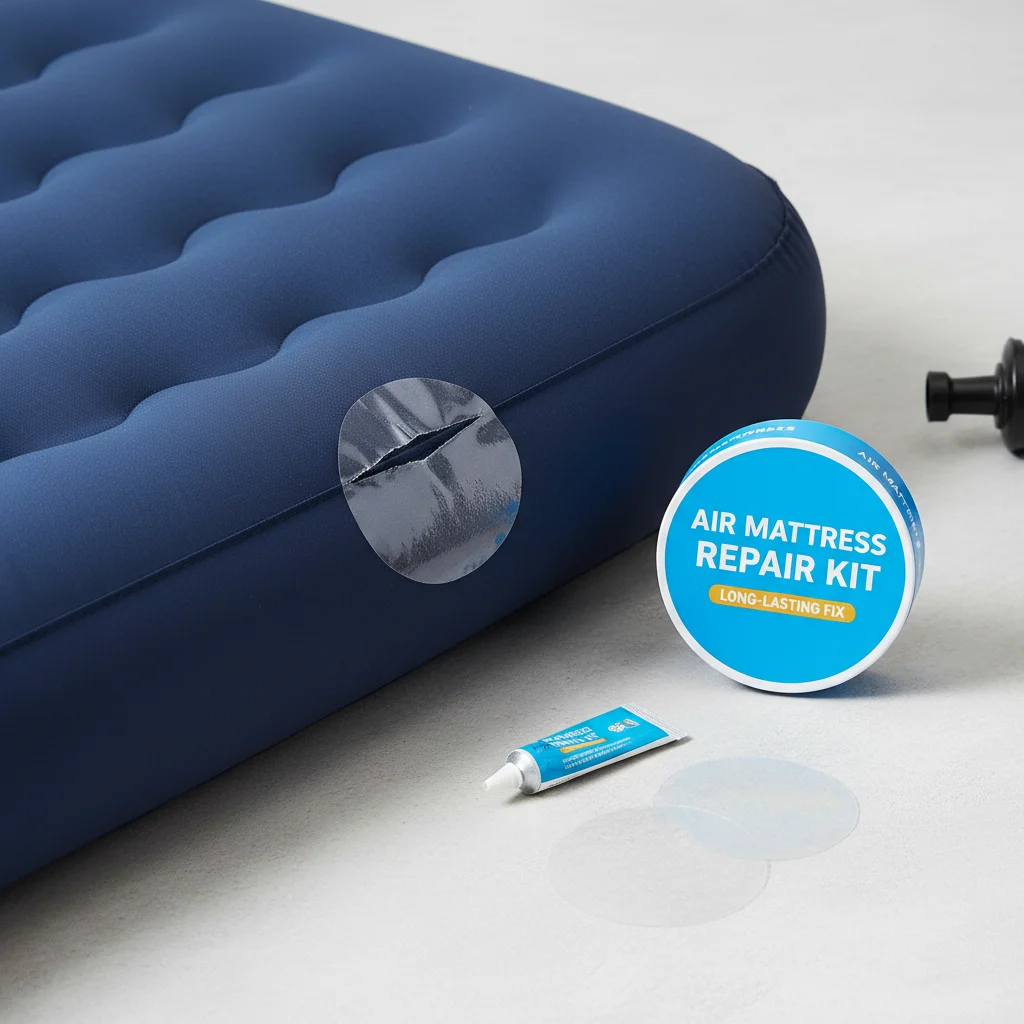
When you patch an air mattress, you’re likely wondering how long that fix will hold. A properly applied air mattress patch can last anywhere from six months to several years, depending on the quality of the patch kit, the material of your mattress, and how well the repair was executed. The longevity of a patch is significantly influenced by the type of adhesive used and the preparation of the damaged area. For instance, a patch applied to a clean, dry surface with a strong, flexible adhesive will inherently last longer than a hastily applied one.
Understanding the factors that contribute to a patch’s lifespan can help you make more durable repairs and extend the life of your air mattress. While some minor punctures might be a quick fix, larger tears or those in high-stress areas may require more attention and a more robust solution to ensure lasting results.
Factors Affecting Patch Durability
Several key factors determine how long an air mattress patch will last. The type of patch material is crucial; vinyl patches with strong, flexible adhesives tend to perform better on PVC or vinyl mattresses. The size and location of the damage also play a significant role. A small pinhole on a flat, low-stress area will hold a patch much longer than a larger tear near a seam or a high-flex point. Furthermore, the cleanliness of the mattress surface before application is paramount. Any dirt, dust, or grease can prevent the adhesive from bonding properly, leading to premature failure.
Environmental conditions, such as extreme temperatures or humidity, can also impact the adhesive’s integrity over time. Storing your patched mattress in a cool, dry place away from direct sunlight will help preserve the patch. Regular use and the amount of pressure the mattress endures can also stress the patched area, potentially shortening its lifespan.
Choosing the Right Patch Kit
|
Our Picks for the Best Air Mattress in 2026
As an Amazon Associate I earn from qualifying purchases.
|
||
| Num | Product | Action |
|---|---|---|
| 1 | Queen Air Mattress with Built in Pump Luxurious Comfort Raised Inflatable Mattress Queen Airbed Blow Up Mattress for Home and Guests Air Bed 2 Mins Fast Inflate/Deflate 660 lbs Max |

|
| 2 | OhGeni Queen Air Mattress with Built in Pump, Inflatable Mattress Blow Up Mattress 18 Raised Comfort,Upgraded Surface Portable Bed, Air Bed for Home, Guest, Camping, Colchone Inflable, 650 lbs |
|
| 3 | JOYTUTUS 5.5-5.8Ft Truck Bed Air Mattress with Removable Tailgate Extension,Thickened Inflatable Full Size Short Truck Beds, with Air Pump&2 Pillows,Black |
|
| 4 | Air Mattress Queen with Built in Pump, Inflatable Mattress Blow Up Mattress 16 Raised Comfort,Upgraded Surface Portable Bed, Air Bed for Home, Guest, Camping, Colchone Inflable, 650 lbs |
|
| 5 | iDOO Queen Air Mattress with Built in Pump, 18 Raised Comfort Inflatable Blow up Mattress, Upgraded Four Chamber Portable Air Bed for Camping, Guests and Home, Colchon Inflable, 650 lbs Max |
|
| 6 | Intex Dura-Beam Deluxe Comfort-Plush Elevated: Fiber-Tech – Queen Size – Built-in Electric Pump – 18in Bed Height – 600lb Weight Capacity |
|
| 7 | Intex 64417ED 22in Queen Dura-Beam Comfort Plush High-Rise Inflatable Air Mattress with Built in Pump for Travel and Camping, 600lb Weight Capacity |
|
| 8 | Queen Air Mattress Full with Built in Pump for Camping 16" High Speed Inflatable Mattress Inflation Completed in 3 Minutes, Luxury Blow up Mattress Comfort Flocked Airbed for Guest,Home |
|
| 9 | Intex Air Mattress, 64123ED Dura-Beam Plus Pillow Rest Fiber-Tech – Queen Size – Built-in Electric Pump – 16.5in Bed Height – 600lb Weight Capacity |
|
| 10 | Intex Twin Size Air Mattress, 18in Height, Built-in Pump, Dura-Beam Deluxe Comfort-Plush - Portable Inflatable Blow-up Bed for Camping, Travel, Guests |
|
Selecting the appropriate patch kit is vital for a long-lasting repair. There are various types available, each designed for specific materials and damage types. For standard PVC or vinyl air mattresses, a kit with a strong, waterproof adhesive and flexible vinyl patches is usually sufficient. For more durable materials like TPU (thermoplastic polyurethane), you might need a specialized kit that includes a compatible adhesive and patch material. Always check the product description to ensure compatibility with your air mattress material.
Some kits come with self-adhesive patches, which are convenient for quick fixes but may not offer the same long-term durability as those requiring separate glue application. For the most robust repair, consider kits that include a liquid adhesive that creates a strong, permanent bond.
Proper Application Techniques for Longevity
The application process is just as important as the patch kit itself. First, thoroughly clean and dry the area around the puncture. Use rubbing alcohol to remove any oils or residues, then allow it to dry completely. Next, cut the patch to a size that extends at least an inch beyond the damaged area on all sides, ensuring rounded corners to prevent peeling. Apply the adhesive evenly to both the patch and the mattress, if instructed by the kit, and press the patch firmly onto the mattress, smoothing out any air bubbles.
- Clean the damaged area thoroughly with rubbing alcohol.
- Allow the area to dry completely before applying the patch.
- Cut the patch with rounded corners, extending beyond the hole.
- Apply adhesive evenly and press the patch firmly, removing air bubbles.
- Allow the patch to cure for at least 24 hours before inflating the mattress.
It’s crucial to allow the adhesive to cure for the recommended time, often 24 hours or more, before reinflating the mattress. Rushing this step can compromise the bond and lead to a failed repair. Applying pressure to the patched area during the curing process can also help create a stronger seal.
When to Consider a New Air Mattress
While patching can extend the life of your air mattress, there comes a point when a new mattress is a more practical solution. If your mattress has multiple large tears, significant seam separation, or numerous small leaks that are difficult to locate, the cost and effort of repeated repairs may outweigh the benefit. Frequent patching can also weaken the overall integrity of the mattress material, leading to new leaks in adjacent areas.
If you find yourself patching your air mattress every few weeks or if the patched areas consistently fail, it’s a strong indicator that it’s time to invest in a replacement. A new air mattress will provide more reliable comfort and peace of mind, especially if you depend on it for regular use or guest accommodation.
