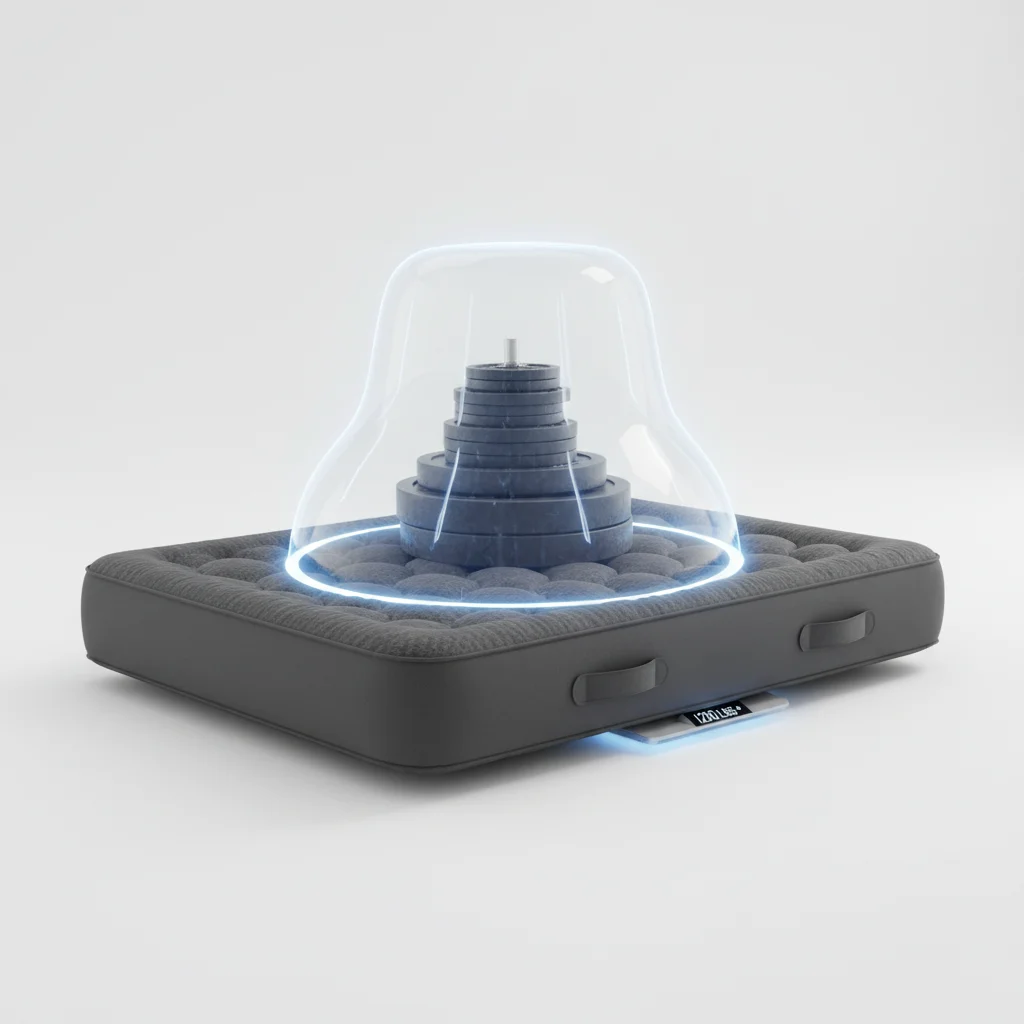
Most standard air mattresses can safely hold between 300 to 600 pounds, with some heavy-duty models accommodating up to 750 pounds. Understanding these limits is crucial for both the longevity of your air mattress and the safety of its users, preventing damage and ensuring a comfortable night’s sleep.
Factors Influencing Weight Capacity
Several design and material choices directly impact an air mattress’s weight capacity. The thickness and quality of the PVC or TPU material play a significant role; thicker gauges and higher-grade polymers offer greater resistance to stretching and tearing under stress. Internal coil beam construction, whether vertical or horizontal, also contributes to stability and weight distribution. More internal beams generally mean better support and a higher weight limit. The overall size of the mattress, while not a direct indicator, often correlates with a higher capacity as larger surfaces can distribute weight more effectively.
The type of pump, while not directly affecting the weight limit, can influence how well the mattress maintains its firmness under load. A robust pump ensures the mattress is fully inflated to its optimal pressure, which is essential for supporting its maximum rated weight.
Understanding Single vs. Double Capacity
When reviewing air mattress specifications, it’s important to differentiate between single and double capacity. A twin-sized air mattress typically has a weight limit designed for one adult, often ranging from 300 to 400 pounds. Queen and king-sized air mattresses, intended for two adults, will have a significantly higher capacity, usually between 500 and 750 pounds. It’s not simply double the single capacity, as the design accounts for distributed weight across a larger surface area. Always check the manufacturer’s specific rating for the exact model you are considering.
Tips for Maximizing Air Mattress Lifespan Within Limits
|
Our Picks for the Best Air Mattress in 2026
As an Amazon Associate I earn from qualifying purchases.
|
||
| Num | Product | Action |
|---|---|---|
| 1 | Queen Air Mattress with Built in Pump Luxurious Comfort Raised Inflatable Mattress Queen Airbed Blow Up Mattress for Home and Guests Air Bed 2 Mins Fast Inflate/Deflate 660 lbs Max |

|
| 2 | iDOO Queen Air Mattress with Built in Pump, 18 Raised Comfort Inflatable Blow up Mattress, Upgraded Four Chamber Portable Air Bed for Camping, Guests and Home, Colchon Inflable, 650 lbs Max |
|
| 3 | Air Mattress Queen with Built in Pump, Inflatable Mattress Blow Up Mattress 16 Raised Comfort,Upgraded Surface Portable Bed, Air Bed for Home, Guest, Camping, Colchone Inflable, 650 lbs |
|
| 4 | JOYTUTUS 5.5-5.8Ft Truck Bed Air Mattress with Removable Tailgate Extension,Thickened Inflatable Full Size Short Truck Beds, with Air Pump&2 Pillows,Black |
|
| 5 | Intex 64417ED 22in Queen Dura-Beam Comfort Plush High-Rise Inflatable Air Mattress with Built in Pump for Travel and Camping, 600lb Weight Capacity |
|
| 6 | Intex Dura-Beam Deluxe Comfort-Plush Elevated: Fiber-Tech – Queen Size – Built-in Electric Pump – 18in Bed Height – 600lb Weight Capacity |
|
| 7 | Intex Air Mattress, 64123ED Dura-Beam Plus Pillow Rest Fiber-Tech – Queen Size – Built-in Electric Pump – 16.5in Bed Height – 600lb Weight Capacity |
|
| 8 | Intex Twin Size Air Mattress, 18in Height, Built-in Pump, Dura-Beam Deluxe Comfort-Plush - Portable Inflatable Blow-up Bed for Camping, Travel, Guests |
|
| 9 | Queen Air Mattress Full with Built in Pump for Camping 16" High Speed Inflatable Mattress Inflation Completed in 3 Minutes, Luxury Blow up Mattress Comfort Flocked Airbed for Guest,Home |
|
| 10 | OhGeni Queen Air Mattress with Built in Pump, Inflatable Mattress Blow Up Mattress 18 Raised Comfort,Upgraded Surface Portable Bed, Air Bed for Home, Guest, Camping, Colchone Inflable, 650 lbs |
|
To ensure your air mattress lasts as long as possible while staying within its weight limits, proper usage is key. Avoid sudden impacts or jumping on the mattress, as this can create concentrated stress points that exceed even the stated capacity. Distribute weight evenly across the surface rather than concentrating it in one small area. Ensure the mattress is fully inflated before use, as under-inflation can lead to premature wear and tear when subjected to weight. Regularly check for small leaks, as even minor air loss can compromise the mattress’s structural integrity over time.
- Always inflate to the manufacturer’s recommended firmness.
- Avoid sharp objects near or on the mattress surface.
- Store the mattress properly, deflated and folded, in a cool, dry place.
- Clean the mattress regularly to prevent material degradation.
- Use a mattress pad to add an extra layer of protection.
Consequences of Exceeding Weight Limits
Exceeding the stated weight limit of an air mattress can lead to several undesirable outcomes. The most common issue is a loss of firmness and support, resulting in an uncomfortable night’s sleep as the mattress sags. More severe consequences include damage to the internal structure, such as ruptured air coils or seams, which can lead to permanent deformation or irreparable leaks. In extreme cases, the material itself can tear, rendering the mattress unusable. Repeatedly exceeding the limit will significantly shorten the overall lifespan of the product, often voiding any warranty.
Choosing a Heavy-Duty Air Mattress
If you anticipate needing a higher weight capacity, perhaps for multiple users, larger individuals, or specific applications like camping with heavy gear, consider investing in a heavy-duty air mattress. These models are often constructed with thicker PVC or TPU, reinforced seams, and more robust internal support systems. Look for features like multi-layer construction, puncture-resistant materials, and advanced coil beam designs. Brands specializing in camping or guest mattresses often offer models with enhanced durability and higher weight ratings.These specialized mattresses provide peace of mind and superior performance under demanding conditions.
