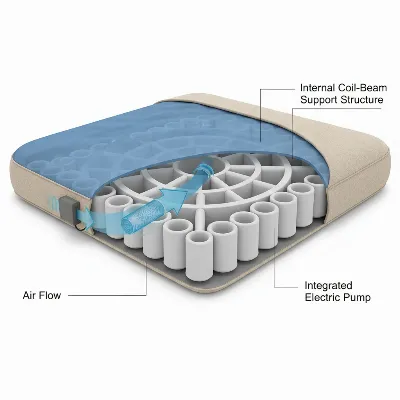
Are you tired of restless nights on uneven ground, wishing for a touch of home comfort even when miles deep into the wilderness? A good night’s sleep is not a luxury but a necessity for successful backpacking adventures. While many traditional sleeping solutions fall short, self-inflating air mattresses offer a compelling balance of comfort, convenience, and insulation, making them an ideal choice for backpackers seeking an upgrade to their backcountry slumber. Let’s explore how these ingenious sleeping systems work and why they might be the perfect addition to your gear list.
Why Choose a Self-Inflating Air Mattress for Backpacking?
The quest for a comfortable and warm sleeping setup in the backcountry often leads backpackers to consider various options, but self-inflating air mattresses (often referred to as self-inflating sleeping pads) stand out for several reasons. They strike an excellent balance between the robust insulation of foam pads and the superior comfort of inflatable air pads, all while offering remarkable ease of use. This unique combination makes them highly attractive for those who prioritize a good night’s rest without excessive fuss or weight.
These mattresses excel in situations where both convenience and performance are key. After a long day of hiking, the last thing you want is a complicated setup. Self-inflating pads begin to inflate themselves simply by opening a valve, saving you breath and effort. Furthermore, they provide a crucial layer of insulation against the cold ground, which is vital for maintaining body heat and preventing hypothermia, particularly in cooler conditions. Their integrated foam core not only adds to their insulating properties but also offers a more stable and supportive sleeping surface compared to pure air pads.
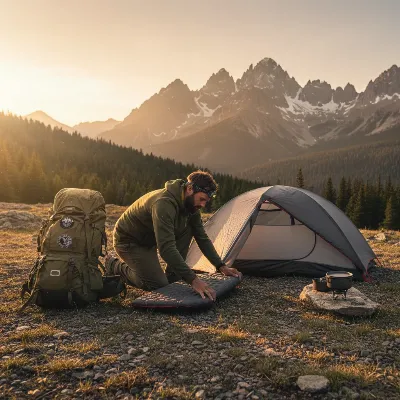 A backpacker unrolling a self-inflating air mattress outside a tent in a scenic mountain setting, late afternoon light.
Understanding Self-Inflating Air Mattresses: How They Work
Self-inflating air mattresses leverage a clever design that combines the principles of foam and air to provide cushioning and insulation. At their core, these mattresses contain a layer of open-cell foam, akin to a household sponge. When the mattress is rolled up and stored, this foam is highly compressed, expelling most of the air within its cells.
The magic begins when you unroll the mattress and open its valve. The compressed foam naturally wants to expand back to its original shape, creating a vacuum that pulls air into the mattress. This process allows the pad to “self-inflate” to about 60-90% of its full capacity within a few minutes. For your desired firmness, you typically add a few breaths of air by mouth before closing the valve. When it’s time to pack up, you simply open the valve and roll the mattress tightly, compressing the foam and forcing the air out, making it compact for transport.
Self-Inflating vs. Other Sleeping Pads for Backpacking
When selecting a sleeping pad for backpacking, you’ll encounter three primary types: closed-cell foam pads, inflatable air pads, and self-inflating air mattresses. Each has distinct characteristics that cater to different backpacking styles and priorities. Understanding these differences is crucial for making an informed decision.
Self-Inflating Air Mattresses: Pros and Cons
|
Our Picks for the Best Air Mattress in 2026
As an Amazon Associate I earn from qualifying purchases.
|
||
| Num | Product | Action |
|---|---|---|
| 1 | Intex Air Mattress, 64123ED Dura-Beam Plus Pillow Rest Fiber-Tech – Queen Size – Built-in Electric Pump – 16.5in Bed Height – 600lb Weight Capacity |

|
| 2 | Intex Dura-Beam Deluxe Comfort-Plush Elevated: Fiber-Tech – Queen Size – Built-in Electric Pump – 18in Bed Height – 600lb Weight Capacity |
|
| 3 | Intex 64417ED 22in Queen Dura-Beam Comfort Plush High-Rise Inflatable Air Mattress with Built in Pump for Travel and Camping, 600lb Weight Capacity |
|
| 4 | Queen Air Mattress Full with Built in Pump for Camping 16" High Speed Inflatable Mattress Inflation Completed in 3 Minutes, Luxury Blow up Mattress Comfort Flocked Airbed for Guest,Home |
|
| 5 | OhGeni Queen Air Mattress with Built in Pump, Inflatable Mattress Blow Up Mattress 18 Raised Comfort,Upgraded Surface Portable Bed, Air Bed for Home, Guest, Camping, Colchone Inflable, 650 lbs |
|
| 6 | Queen Air Mattress with Built in Pump Luxurious Comfort Raised Inflatable Mattress Queen Airbed Blow Up Mattress for Home and Guests Air Bed 2 Mins Fast Inflate/Deflate 660 lbs Max |
|
| 7 | iDOO Queen Air Mattress with Built in Pump, 18 Raised Comfort Inflatable Blow up Mattress, Upgraded Four Chamber Portable Air Bed for Camping, Guests and Home, Colchon Inflable, 650 lbs Max |
|
| 8 | Air Mattress Queen with Built in Pump, Inflatable Mattress Blow Up Mattress 16 Raised Comfort,Upgraded Surface Portable Bed, Air Bed for Home, Guest, Camping, Colchone Inflable, 650 lbs |
|
| 9 | Intex Twin Size Air Mattress, 18in Height, Built-in Pump, Dura-Beam Deluxe Comfort-Plush - Portable Inflatable Blow-up Bed for Camping, Travel, Guests |
|
| 10 | JOYTUTUS 5.5-5.8Ft Truck Bed Air Mattress with Removable Tailgate Extension,Thickened Inflatable Full Size Short Truck Beds, with Air Pump&2 Pillows,Black |
|
Self-inflating air mattresses occupy a middle ground, offering a compelling blend of benefits. They are notably more comfortable than rigid foam pads, thanks to their foam core and adjustable air pressure, which conforms better to your body. Their inherent foam structure also provides excellent insulation against the cold ground, often achieving higher R-values suitable for various seasons. The primary advantage lies in their convenience; they partially inflate themselves, reducing the effort needed after a long day. While more durable than inflatable air pads, they are still susceptible to punctures.
However, these benefits come with some trade-offs. Self-inflating air mattresses tend to be heavier and bulkier than their inflatable counterparts, which can be a significant concern for ultralight backpackers or those with limited pack space. While the self-inflation is convenient, it might not always reach full firmness, requiring a few additional breaths.
Inflatable Air Pads: When to Choose Them
Inflatable air pads are favored by ultralight backpackers due to their exceptional packability and minimal weight. They offer superior comfort when fully inflated and allow for precise firmness adjustment. Many modern inflatable pads also incorporate advanced insulation technologies to achieve high R-values without adding significant bulk. The main downsides include their higher susceptibility to punctures, which can lead to a deflated night, and the need for full inflation, usually via a pump sack or mouth, which takes more effort than a self-inflating pad. Some models can also be noisy with a crinkling sound.
Closed-Cell Foam Pads: When to Choose Them
Closed-cell foam pads are the most basic, lightweight, and virtually indestructible option. They are perfect for budget-conscious backpackers, those prioritizing extreme durability, or as a supplemental layer under another pad for extra insulation and puncture protection. They offer consistent insulation in all conditions because there’s no air to escape. The primary drawbacks are their bulkiness (they don’t compress) and their firm, less comfortable sleeping surface, which may not suit side sleepers.
| Feature | Self-Inflating Air Mattress (SIM) | Inflatable Air Pad | Closed-Cell Foam Pad |
|---|---|---|---|
| Comfort | Good (foam + air, adjustable) | Excellent (adjustable, thick) | Basic (firm, thin) |
| Insulation (R-Value) | Good (foam + trapped air) | Excellent (advanced materials) | Moderate (foam only) |
| Weight | Moderate | Light to Ultralight | Light |
| Packed Size | Moderate | Very Compact | Bulky (doesn’t compress) |
| Ease of Setup | Very Easy (self-inflates, few breaths) | Moderate (pump sack/mouth inflation) | Very Easy (unfold) |
| Durability | Good (foam core protects against minor punctures) | Fair (most prone to punctures) | Excellent (puncture-proof) |
| Price | Mid-range to High | High | Low |
Key Factors When Choosing a Self-Inflating Air Mattress for Backpacking
Selecting the perfect self-inflating air mattress for your backpacking adventures involves considering several critical factors. These elements directly impact your comfort, warmth, and the overall practicality of carrying the pad on the trail.
R-Value (Insulation Rating)
The R-value measures a sleeping pad’s ability to resist heat flow and insulate you from the cold ground. A higher R-value indicates better insulation. For three-season backpacking (spring, summer, fall), an R-value between 2.0 and 4.0 is generally sufficient. For colder shoulder seasons or winter camping, look for pads with an R-value of 4.0 or higher. The foam core of self-inflating mattresses inherently provides good insulation, often exceeding that of basic air mattresses.
Weight and Packed Size
These are paramount for backpackers. Every ounce and inch counts. While self-inflating pads are generally heavier and bulkier than ultralight inflatable options, modern designs utilize technologies like foam coring or die-cut patterns to reduce weight and improve compressibility. Always check the manufacturer’s specified packed dimensions and weight to ensure it fits comfortably within or on your backpack.
Thickness and Comfort
A thicker pad generally translates to greater comfort, especially for side sleepers or those who tend to toss and turn. Self-inflating pads typically range from 1.5 inches (4 cm) to 3 inches (7.6 cm) thick. This thickness, combined with the supportive foam, helps cushion pressure points and smooth out uneven ground. The ability to adjust firmness by adding or releasing air further enhances personalized comfort.
Material and Durability
Backpacking gear needs to withstand rough treatment. Look for self-inflating air mattresses made from durable fabrics like high-denier polyester (e.g., 75D) with TPU laminations. These materials offer good abrasion and tear resistance. While self-inflating pads are less fragile than pure air pads, a robust exterior helps protect the internal foam and air chambers from punctures, which can still occur.
Valve Design
The valve mechanism affects the efficiency of inflation and deflation. Modern self-inflating air mattresses often feature high-flow valves that allow air to enter and exit quickly. Some designs include one-way valves for easier inflation or separate inflate/deflate valves for speed. An intuitive and reliable valve system is key for hassle-free setup and pack-down at camp.
Shape and Size
Sleeping pads come in various shapes:
- Mummy-shaped: Tapered at the head and feet to save weight and packed size. Ideal for ultralight backpackers.
- Rectangular: Offers maximum sleeping surface, providing more room to move. Better for comfort but heavier and bulkier.
Consider the length and width that best suits your body type and sleeping style. Shorter or narrower pads save weight but might leave limbs exposed to the cold ground.
Brand Reputation and Reviews
Opting for reputable brands known for quality outdoor gear can provide peace of mind regarding product reliability and customer support. Brands like Therm-a-Rest, Sea to Summit, NEMO, and Exped consistently receive high marks for their self-inflating sleeping pads. Reading user reviews can offer valuable insights into real-world performance, durability, and comfort for backpacking specific uses.
Top Self-Inflating Air Mattresses for Backpacking: A Detailed Look
When it comes to self-inflating air mattresses suitable for the rigors of backpacking, certain models and brands consistently rise to the top, balancing weight, comfort, and durability. These pads are designed to provide a reliable and restful sleep system without adding excessive bulk to your pack.
Therm-a-Rest ProLite Series
The Therm-a-Rest ProLite series, including models like the Trail Prolite and ProLite Plus, are often considered benchmarks in the self-inflating category for backpackers. Therm-a-Rest, credited with inventing the self-inflating mattress, offers pads known for their reliability and warmth. The ProLite series features a die-cut foam core that minimizes weight while maximizing insulation. They typically offer a comfortable balance of thickness and R-value, making them suitable for three-season use. Their self-inflation is efficient, usually requiring only a few breaths to top off. While not the absolute lightest options, they are highly regarded for their durability and consistent performance on the trail.
Sea to Summit Camp SI Mat
The Sea to Summit Camp SI Mat is another strong contender, particularly praised for its blend of comfort, durability, and a reasonable price point for entry-level backpacking. It features a body-mapped Air Zone construction that provides insulation where needed most while reducing overall weight. The mat offers a comfortable thickness and a solid R-value, making it versatile for various temperatures. Its rugged, recycled polyester fabric ensures longevity, and the XPEL valve system allows for quick inflation and compact packing. The contoured shape also offers extra sleep surface for side sleepers.
NEMO Flyer Self-Inflating Sleeping Pad
NEMO’s Flyer series brings a hybrid approach to self-inflating pads, aiming for increased loft and a softer feel. These pads combine traditional foam with strategically placed air chambers to offer a plush sleeping experience. The Flyer pads are designed to provide robust insulation and a high level of comfort without the crinkling noise sometimes associated with inflatable pads. Their innovative design often makes them a good choice for backpackers who prioritize comfort above all else but still want the convenience of a self-inflating system.
Exped Pads
Exped, a brand renowned for its innovative sleeping systems, also offers self-inflating options, though their MegaMat series is typically more oriented towards car camping due to its luxurious thickness and weight. However, some of their lighter self-inflating models or hybrid designs can be suitable for specific backpacking needs where comfort and superior insulation are paramount. Exped pads are known for their high-quality materials and robust construction, often featuring high R-values and thoughtful valve designs.
| Feature | Therm-a-Rest Trail Prolite | Sea to Summit Camp SI Mat | NEMO Flyer Self-Inflating Pad |
|---|---|---|---|
| Kích thước | Various lengths/widths | Various lengths/widths | Various lengths/widths |
| Chất liệu | Durable Polyester | Recycled 75D Polyester | Durable Polyester |
| Độ bền | High | High | Good |
| Hệ thống bơm | Self-inflating, few breaths | Self-inflating, XPEL valve | Self-inflating, multi-valve |
| R-Value | ~3.0 – 4.5 | 4.2 | ~3.0 – 4.0 |
| Giá cả | Mid-high | Mid-range | Mid-high |
| Đánh giá chung | Reliable, good insulation, classic choice | Comfortable, durable, value | Plush comfort, innovative |
Tips for Using and Maintaining Your Self-Inflating Air Mattress
Proper use and maintenance are key to maximizing the lifespan and performance of your self-inflating air mattress on numerous backpacking trips. A little care goes a long way in ensuring your investment provides comfortable nights for years to come.
First Use and Initial Inflation
When you first unroll a new self-inflating air mattress, it might take longer than usual to fully expand. This is because the foam has been highly compressed for shipping and needs time to regain its “memory.” For the initial setup, unroll the pad and leave the valve open for several hours, or even overnight, in a warm environment. This allows the foam to fully loft. Afterwards, you can top it off with a few breaths to reach desired firmness.
Proper Inflation and Customizing Firmness
To inflate in the field, simply unroll the mattress on a flat, clear surface and open the valve. Allow a few minutes for the foam to expand and draw in air. Once it has largely self-inflated, close the valve, then add small puffs of air by mouth until you achieve your preferred firmness. Avoid over-inflating, as this can strain the seams and reduce comfort. If it’s too firm, gently press down on the pad with the valve slightly open to release small amounts of air.
Cleaning and Long-Term Storage
After each trip, wipe down your self-inflating air mattress with a damp cloth and mild soap to remove dirt and grime. Ensure it is completely dry before storage to prevent mildew. For long-term storage, it’s best to store the pad unrolled with the valve(s) open. This allows the foam to remain in an expanded state, preserving its loft and self-inflating properties, and prevents air from being trapped and potentially damaging the internal structure. Store it in a cool, dry place away from direct sunlight.
Repairing Small Punctures
Even the most durable self-inflating air mattress can get a small puncture from a sharp rock or thorn. Most pads come with a repair kit, which typically includes patches and adhesive. To find a leak, inflate the pad and submerge it in water, watching for bubbles, or apply soapy water to the surface and look for suds. Once found, clean and dry the area, apply the patch according to the kit’s instructions, and allow sufficient curing time before use.
Safety Considerations for Backpacking with a SIM
While self-inflating air mattresses are generally safe and reliable, a few considerations can help ensure your comfort and well-being in the backcountry. Being mindful of these factors will protect your gear and enhance your overall backpacking experience.
Protecting Against Punctures
The biggest vulnerability of any air-filled sleeping pad, including self-inflating ones, is puncture. Always clear the area where you plan to set up your tent or lay your mattress of any sharp objects like rocks, twigs, or thorns. Consider using a ground cloth or footprint under your tent, and an additional thin foam pad underneath your self-inflating mattress can offer extra protection against abrasive surfaces.
Avoiding Over-Inflation
While you can add air to customize firmness, avoid over-inflating your self-inflating air mattress. Excessive pressure can stress the seams and internal baffles, potentially leading to delamination or leaks over time. Inflate it just enough to keep you comfortably off the ground without feeling overly rigid. The foam core already provides significant support, so you don’t need to inflate it to rock-hard levels.
Environmental Factors (Extreme Cold/Heat)
In very cold conditions, the air inside your mattress can condense, and the foam itself might stiffen slightly, affecting insulation and inflation speed. For extreme cold, combine your self-inflating pad with a closed-cell foam pad underneath for enhanced R-value. Conversely, avoid leaving an inflated mattress exposed to direct, intense sunlight in hot weather. The air inside can expand rapidly, potentially causing damage. Always deflate it slightly or keep it in the shade when not in use in hot conditions.
Where to Buy Quality Self-Inflating Air Mattresses
Investing in a quality self-inflating air mattress for backpacking is a wise decision, and knowing where to purchase one can make a difference in terms of selection, price, and customer service.
Outdoor Retailers
Specialized outdoor retailers are excellent places to start. Stores like REI (in the US), MEC (in Canada), and other local camping and hiking gear shops offer a wide selection of self-inflating air mattresses from reputable brands. These stores often have knowledgeable staff who can provide expert advice, and many allow you to lie down on demonstration models to test for comfort and packed size. This hands-on experience is invaluable in making the right choice.
Online Marketplaces
Major online retailers and the websites of outdoor gear brands also provide extensive options. Shopping online offers the convenience of browsing a vast inventory and comparing prices from the comfort of your home. However, it lacks the ability to physically test the mattress. When buying online, always verify the retailer’s return policy, warranty information, and read customer reviews to ensure product satisfaction. Look for clear descriptions of R-value, weight, packed size, and materials.
> “A good self-inflating sleeping pad isn’t just about comfort; it’s a critical component of your sleep system that directly impacts your warmth and recovery in the wilderness.” – Dr. Emily R. Carter, Outdoor Physiology Specialist
Conclusion
The Best Self-Inflating Air Mattresses For Backpacking offer a compelling blend of comfort, insulation, and user-friendly design, making them an excellent choice for adventurers who refuse to compromise on a good night’s sleep. By understanding how they work and what key features to look for—such as R-value, weight, and durability—you can select a pad that perfectly matches your backpacking style and the conditions you’ll face. These innovative sleeping solutions provide a much-needed barrier between you and the cold, hard ground, ensuring you wake up refreshed and ready for another day on the trail. So, are you ready to elevate your backcountry sleeping experience with a self-inflating air mattress?
Frequently Asked Questions
Are self-inflating air mattresses good for side sleepers?
Yes, many self-inflating air mattresses are suitable for side sleepers. Their foam core combined with adjustable air pressure allows them to conform to the body’s contours, cushioning hips and shoulders more effectively than thin foam pads. Look for models with a thickness of at least 2-3 inches for optimal comfort.
How long does a self-inflating air mattress last?
With proper care and maintenance, a quality self-inflating air mattress can last many years, often five to ten years or even longer. Factors like frequency of use, storage conditions, and promptly repairing any punctures significantly influence its lifespan.
Can I use a self-inflating pad in winter?
Many self-inflating pads have high enough R-values (4.0+) to be used in winter, but it’s essential to check the specific R-value. For extreme cold, it’s often recommended to pair a self-inflating pad with a closed-cell foam pad underneath to boost insulation and provide a backup in case of puncture.
What is the best way to clean my self-inflating air mattress?
To clean your self-inflating Air Mattress, simply wipe it down with a damp cloth using mild soap and water. Avoid harsh chemicals or abrasive scrubbers, which can damage the fabric. Ensure the pad is completely dry before rolling it up for storage to prevent mildew growth.
Why isn’t my self-inflating pad inflating fully?
If your self-inflating pad isn’t inflating fully, especially during its first use or after prolonged compression, the foam might need time to decompress. Leave the valve open for several hours or overnight in a warm room. You may also need to add a few breaths of air to help it reach full firmness.